U.S. Leads Global Data Center Growth Surge

TEIJan 23, 2026
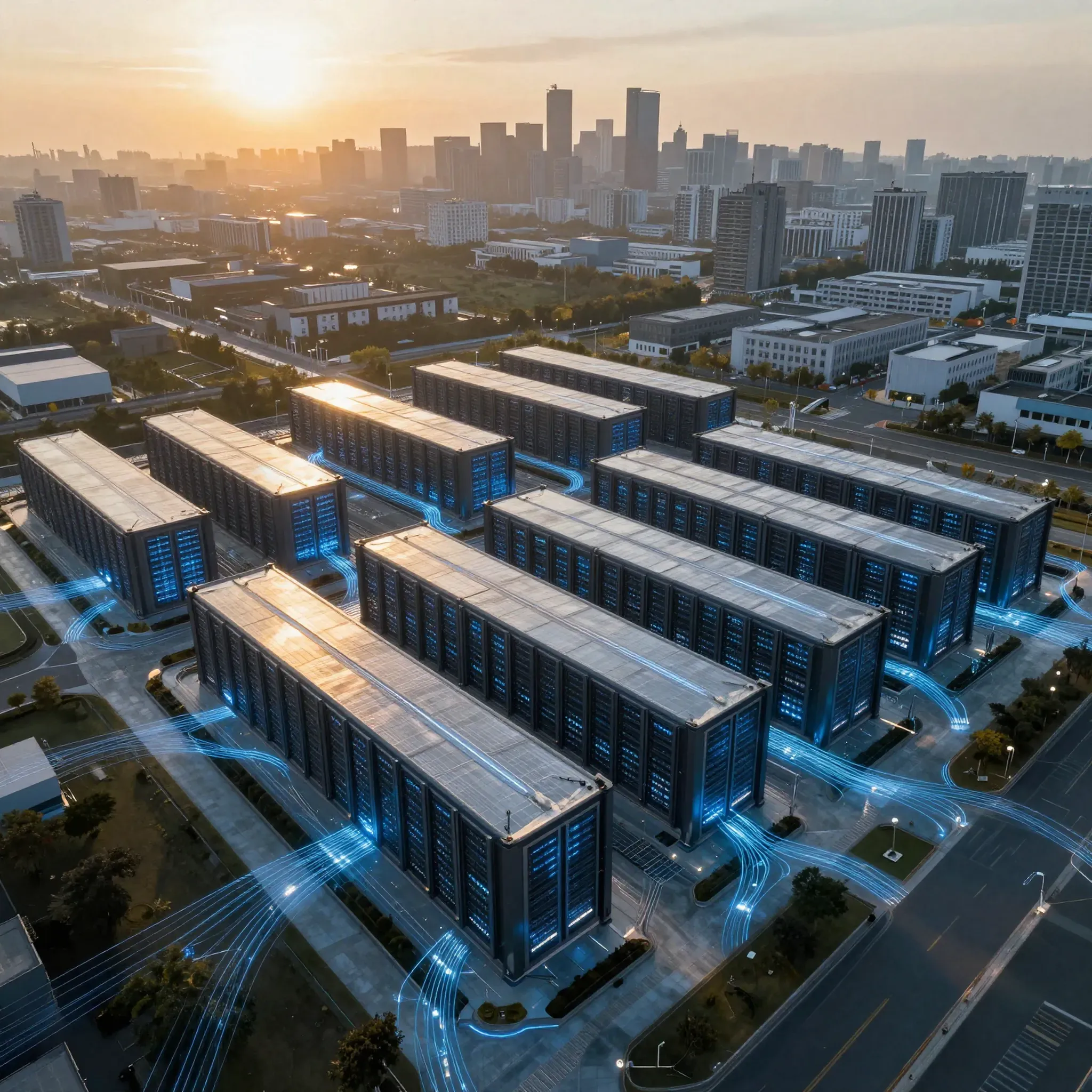
The expansion of digital infrastructure has placed the United States at the center of the global economy. As artificial intelligence, cloud computing and high-performance computing reshape how enterprises operate, the U.S. growth story has emerged as a defining trend. Data centers are a major part of the digital economy, supporting AI applications, cloud platforms, Internet of Things (IoT), and edge computing. The global demand has led to a tremendous growth in the AI training and workload distribution.
AI related infrastructure demand could increase over the next few years, with multiple technologies indicating that AI workload will become a major driver for future data center expansion. Data centres reshape the capacity planning and energy consumption patterns worldwide.
And in all this transformation, the United States has grown as the epicenter of investment, innovation and infrastructure development.
Why the U.S. Dominates the Global Data Center
The U.S. data center development is supported by a combination of leadership, strong capital investment, and advanced digital technology. North America alone accounts for a huge share of the global data centers blacked by hyperscale deployments and cloud adoption plans.
Several advantages support the U.S. leadership position:
1. Hyperscale Cloud leadership
Global cloud providers such as Amazon web services, Microsoft Azure, and Google Cloud have built extensive data center networks across the United States. These facilities process massive volumes of enterprise data, and consumer data to scale AI and analytical platforms.
2. Strong AI Innovation Platforms
The United States remains a global leader in AI research and semiconductor innovations. Advanced chip manufacturing and GPU technology are crucial for high-density computing devices that directly influence the expansion of these data centers.
3. Mature Digital Economy
Enterprises continue to lead global digital transformation initiatives such as large scale adoption of data analytics, automation and AI-decision systems requiring a significant amount of computing capacity.
AI as the Primary Reason of Data Center Expansion
Artificial intelligence is rapidly growing infrastructure demands with AI workloads requiring massive computational intensity and increasingly power requirements in modern facilities.
AI focussed data centers are required to grow at a massive rate, potentially multiplying energy consumption as compared to traditional facilities. AI data models, especially generative AI and language models demand advanced tech devices, which are heavily located in the U.S.
This shift is motivating companies to rethink infrastructure planning based on:
- High-density computing devices
- Advanced cooling aids
- Renewable energy demands
- Specialized chip architectures
For enterprise leaders, AI infrastructure is about back-end operational components, but also competitive differentiators influencing innovation and speed.
Investment Surge Driving Expansion
The global data center market is experiencing a huge capital investment as organizations compete to scale digital capabilities. Large technology companies and infrastructure providers are investing billions into expanding data centers in the U.S. Investments indicate a huge demand for computing infrastructure that will grow sharply over the next decade. This surge is driven by cloud migration, automation, and digital services across healthcare, finance, manufacturing, and retail.
The U.S. still remains a primary beneficiary of this capital expansion due to its advanced infrastructure, and reliable energy resources. This investment opens opportunities for real estate development, job creation, and regional economic boost.
Energy Consumption Challenges
While the U.S. data centers growth is improving economic and technological advancements, it also raises sustainability concerns. Data centers require huge energy consumption and with increasing computational demands the pressure on global electricity is increasing.
As AI adoption is increasing, energy demand is also increasing significantly, forcing operators to invest in renewable energy sourcing and energy-efficient cooling systems.
The United States is bringing new initiatives such as green data centers, implementing renewable energy sources such as solar and wind energy. Such initiatives are key to corporate ESG policies necessary from a strategic point of view.
Global Competitive Landscape
Despite the U.S. dominance, global competition in data centers is increasing and countries across Asia, Europe, and the Middle East are becoming major key players. Countries are relying on local infrastructure to reduce dependency on foreign cloud systems amid growing geopolitical tensions.
India, and southeast Asia are among the emerging markets witnessing huge developments in data centers driven by digital adoption and expanding user bases.
However, the United States continues to maintain a leadership to integrate innovation and research capabilities.
Strategic Implications
For CXOs and technology leaders, the evolution of the data centers is both an opportunity and risk. Organizations must align with infrastructure strategies and long-term digital transformation objectives. Key considerations for leaders are:
- Developing hybrid cloud and multi-cloud strategies
- Integrating AI-ready infrastructure planning
- Strengthening cybersecurity
- Improve compliance and data governance
Companies who are quick to align infrastructure investments with digital workloads will gain a competitive advantage over its competitors.
Conclusion
The US data centers growth reflects a broader approach in the digital infrastructure across the world. As AI, computing, and advanced analytics are changing the way enterprises operate, the United States continues to lead this expansion and technological advancement.
For business leaders, the data centers are not just a technological trend but a shift that will reshape the future of enterprise competitiveness.
At TEI, we help organizations understand the evolving infrastructure ecosystems and evaluate emerging digital technologies.
Is your organization exploring AI adoption and cloud expansion in its core policies?
Trending
View All