Meta to launch its latest homegrown AI chip ‘Iris’ in September

TEIJul 14, 2026
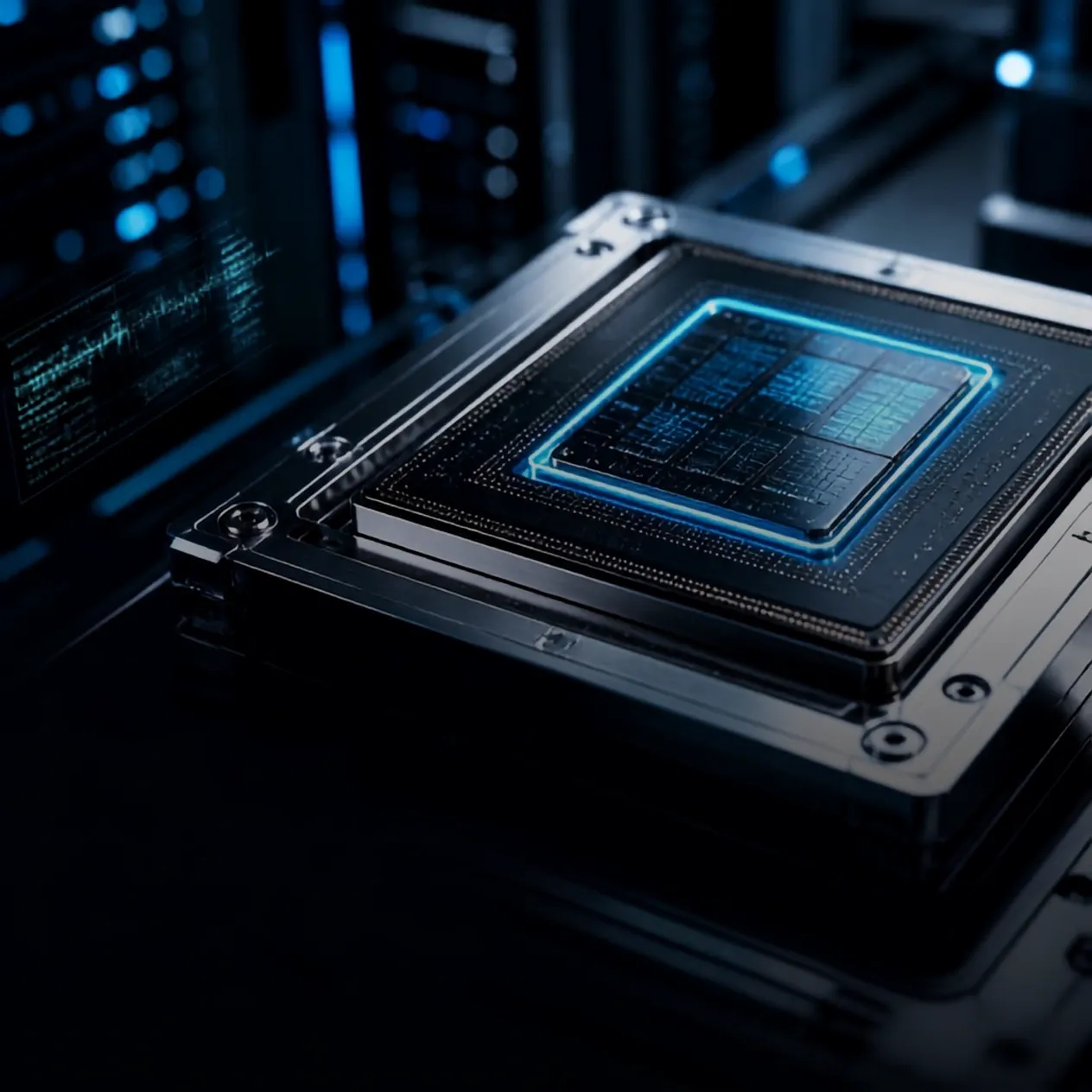
Meta is reportedly preparing to begin production of its homegrown AI chip Iris in September, and the news deserves more attention from business leaders than a typical hardware update usually gets. According to an internal memo reviewed by Reuters, the chip, code-named Iris, is part of a four-generation project for Meta Training and Inference Accelerators that the company is designing in-house. This is not Meta's first attempt at custom silicon. The in-house effort has struggled since it launched more than half a decade ago, so the fact that testing took only six weeks and turned up no major issues is being read internally and externally as a genuine turning point.
For years, the AI race has been framed as a contest of who can build the smartest model or hire the most talented researchers. That framing is now incomplete. Competitive advantage is shifting toward who controls the infrastructure that makes those models possible, and Meta's move is one of the clearest signals yet that hyperscalers are becoming architects of their own technology stack rather than customers of someone else's.
Compute Is Strategic Control
Meta expects to spend as much as $145 billion on AI infrastructure this year, and at that scale, dependence on external suppliers stops being a convenience and starts becoming a strategic vulnerability. The memo itself is candid about this pressure. It notes that adopting the latest GPUs at a firm as large as Meta has been a heavy lift and has cost the company time. This is a large, well-resourced organization admitting that even it cannot simply buy its way to efficiency at the pace the market demands. Meta plans to deploy 7 gigawatts of computing infrastructure this year and double that number to 14 gigawatts in 2027, and the AI chip Iris is meant to help absorb some of that growth.
Importantly, Iris is not designed to replace Meta's existing supplier relationships. The chip is aimed at augmenting the large quantities of graphics processing units that Meta already purchases from Nvidia and AMD, rather than eliminating that spending. The conversation among AI leaders is no longer only about who has access to compute. It is increasingly about who controls it.
Infrastructure Shapes Competitive Advantage
Perhaps the most telling detail in Meta's plan is not the chip itself but the cadence the company is targeting. Meta intends to launch a new chip roughly every 6 months through 2027, a pace considerably faster than the yearly or longer release cycles typically seen across the industry. That kind of speed does not happen by accident. It requires an organization to have already decided that infrastructure is not a background function handled quietly by engineering teams. It has to be treated as a source of cost efficiency, deployment speed, and performance optimization at the highest levels of the business.
As AI matures, infrastructure becomes more than an operational function. It becomes a strategic differentiator that shapes how quickly and how affordably a company can compete. Meta designing Iris with Broadcom and manufacturing it through Taiwan Semiconductor Manufacturing Co (TSMC) reflects how deeply infrastructure decisions now reach into a company's long-term innovation flexibility, not just its balance sheet.
Own Your Critical Stack
Most organizations will never design a chip of their own, and they do not need to. The real leadership challenge is identifying which parts of the AI value chain should remain strategic capabilities rather than outsourced dependencies. Leaders should focus on understanding where AI infrastructure costs will create future business pressure, identifying the capabilities that directly influence competitive differentiation, and building flexible AI architectures that avoid excessive vendor dependence.
Meta's approach with the AI chip Iris offers a useful model here because the company did not attempt to own everything. It chose to build the piece of the stack that most directly affects its own workloads while continuing to rely on established partners for the rest. Expanding AI strategy beyond models to include infrastructure, data, and governance is what separates organizations that are reacting to AI from those that are actively shaping how it works for them.
Infrastructure Defines AI Leadership
Meta's Iris chip is significant not because another company has entered the semiconductor race. It matters because it confirms a larger strategic shift already visible across the industry, where Google, Amazon, Microsoft, and OpenAI are all running their own versions of the same effort. The world's leading AI companies increasingly believe that owning more of the technology stack creates stronger economics, faster innovation, and greater competitive resilience. The future of AI will not belong only to the organizations with the smartest models. It will belong to those with the greatest control over the infrastructure that powers them.
For leaders outside the technology sector, the takeaway is not to imitate Meta's engineering choices but to adopt its discipline. The strategic question is no longer whether to invest in AI. It is which layers of the AI ecosystem an organization should own, influence, or safeguard before those layers become the next competitive bottleneck. Organizations that treat infrastructure as a boardroom conversation, not just an IT decision, will be the ones best positioned for what comes next.
The next AI advantage may not come from a better model, but from better control. Is your organization preparing for that shift? Read more thought leadership from TEI.
Trending
View All